
Fine Classification Hydrocyclones – Mineralx Flowtech
Fine Classification Hydrocyclones for Precise Particle Separation
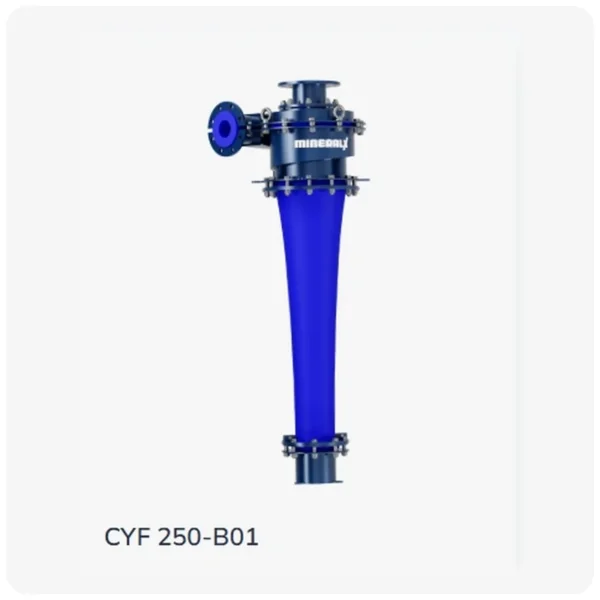
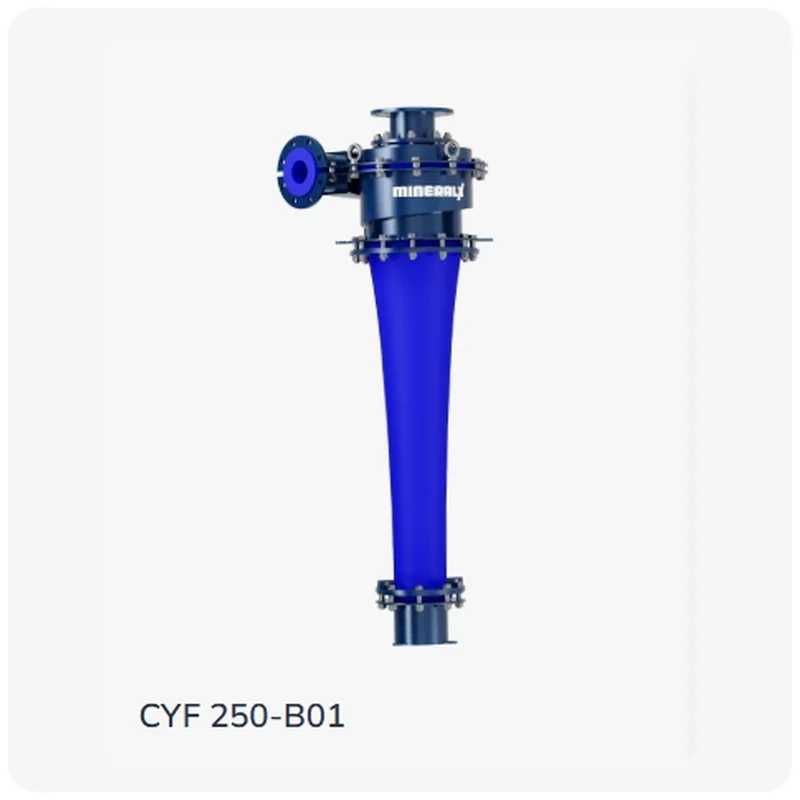
Fine Classification Hydrocyclones from Mineralx Flowtech are designed for the precise separation of ultra-fine particles in demanding slurry-processing applications. These systems help control particle-size classification and support consistent process performance in mineral processing and industrial operations.
The hydrocyclones use optimized internal geometry to support separation sharpness, cut-size control and fines recovery. Moreover, Mineralx Flowtech offers configurations that can be tailored to process requirements, including cone angle, vortex finder diameter, material composition and underflow and overflow outlet sizing.
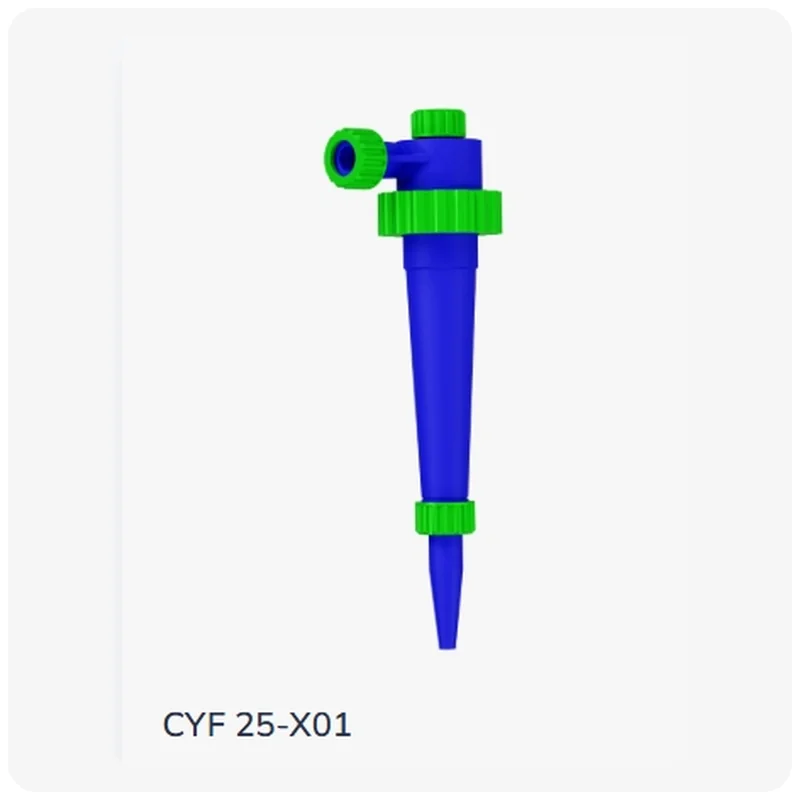
The CYF series includes compact models for laboratory and pilot-scale applications, as well as larger units for industrial classification. Therefore, buyers can discuss their required feed rate, particle-size distribution and operating conditions with the manufacturer before selecting a suitable model.
Key Features of Fine Classification Hydrocyclones
- High-precision separation: Designed to classify fine particles with a narrow cut-size distribution.
- Optimized flow geometry: Internal geometry aims to support separation sharpness and reduce particle misplacement.
- Wear-resistant construction: The manufacturer lists ceramic and high-chrome liner options for abrasive slurry applications.
- Stable operation: Designed to maintain classification performance under varying feed conditions.
- Custom configurations: Cone angles, vortex finder diameters and outlet sizes can be tailored to process requirements.
- Multiple capacities: The CYF series includes compact and larger-capacity models for different processing needs.
Actual separation performance depends on the feed material, particle size, slurry characteristics and operating conditions.
Model-Wise Technical Specifications
Mineralx Flowtech’s dedicated Fine Classification Hydrocyclones page lists the following feed-rate ranges.
| Model | Published feed rate | Listed application |
|---|---|---|
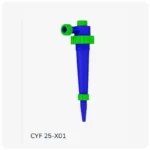
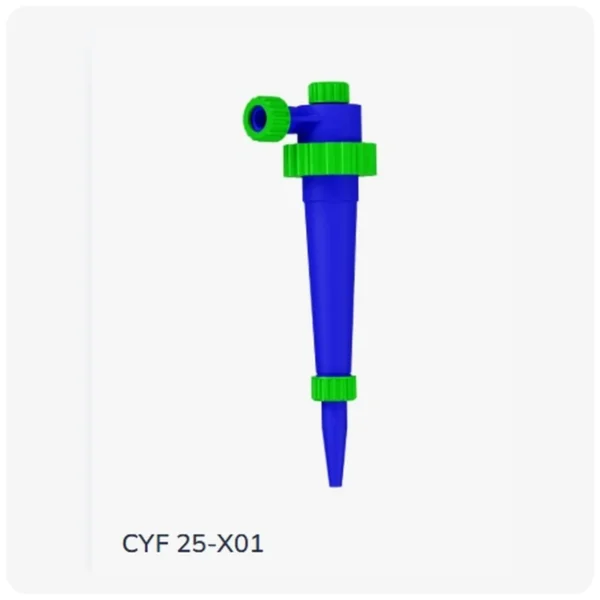
| CYF 25 | 0.7–1.1 m³/h | Laboratory testing and pilot systems |
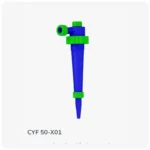
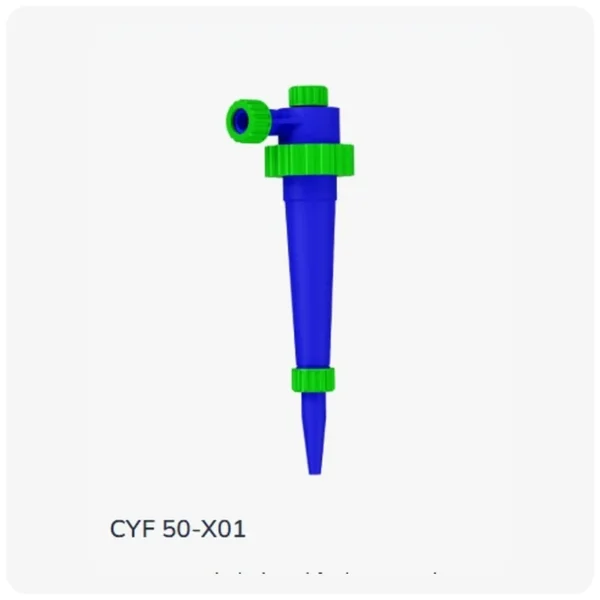
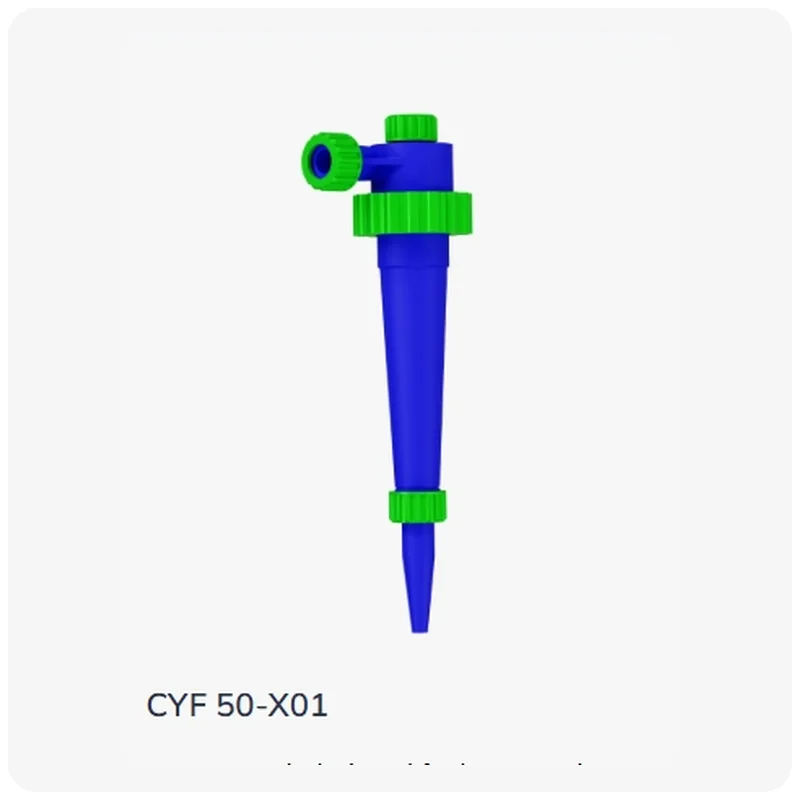
| CYF 50 | 1.7–5.5 m³/h | Low-capacity circuits and fine-particle recovery |
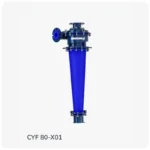
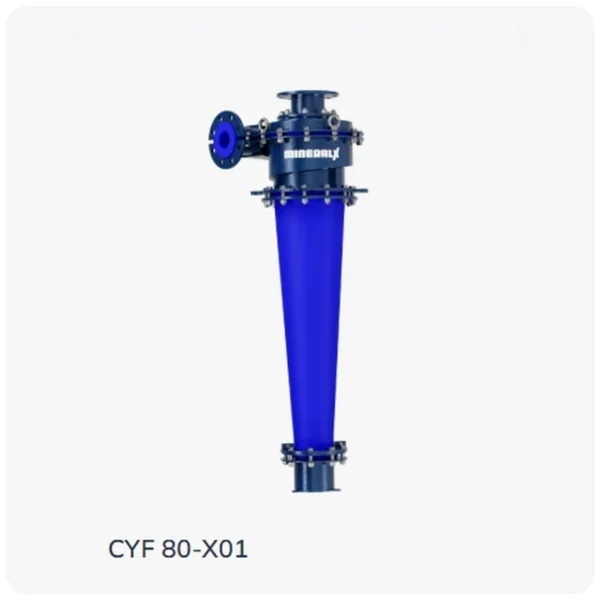
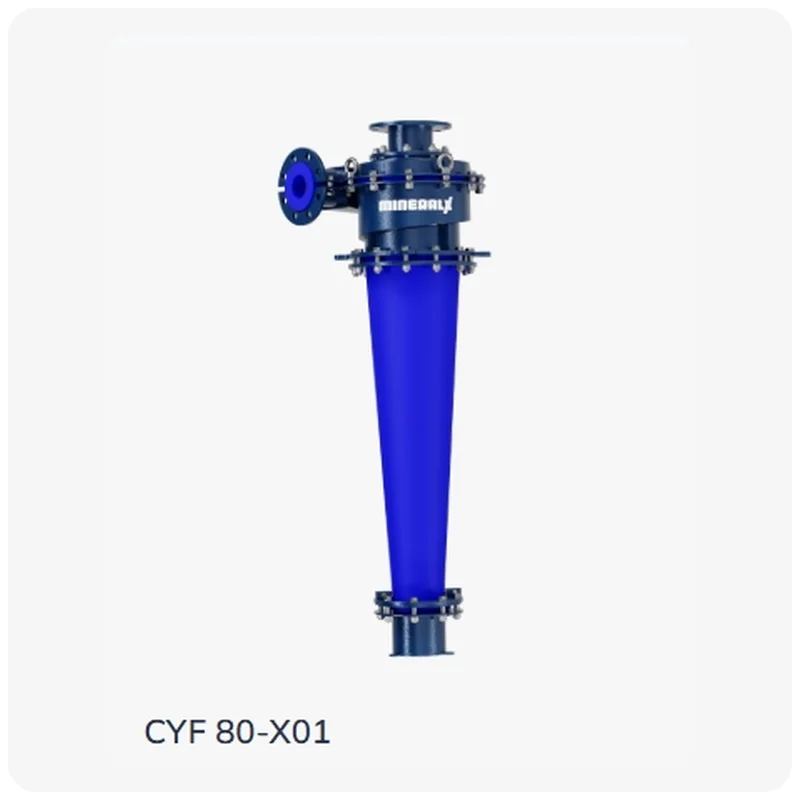
| CYF 80 | 3.2–12.5 m³/h | Small desliming systems and secondary grinding circuits |
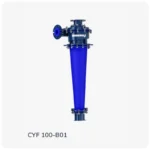
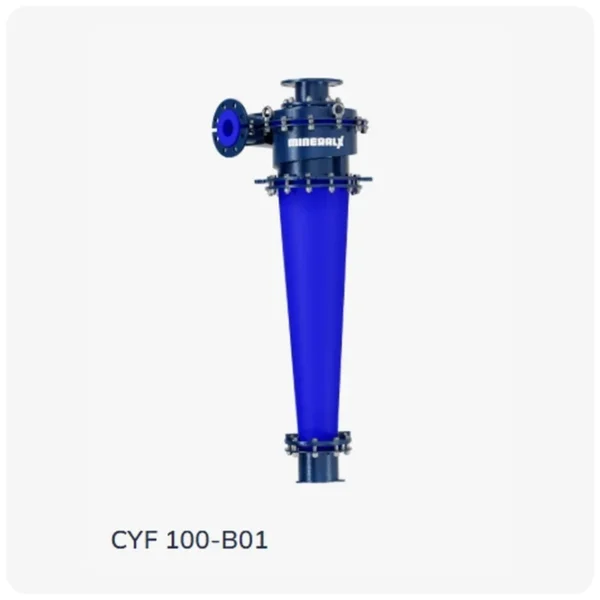
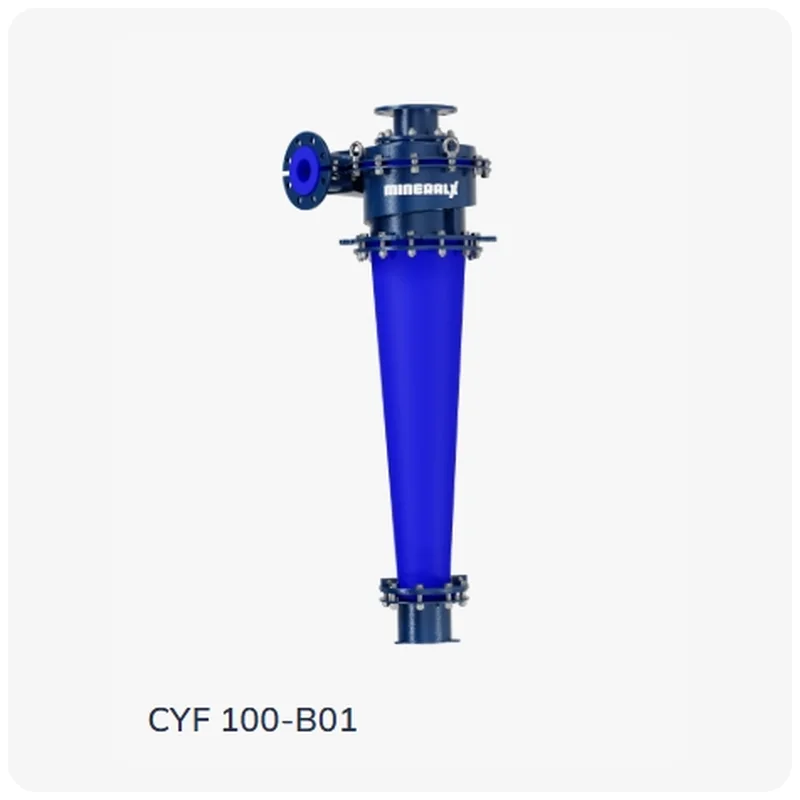
| CYF 100 | 5.4–17.3 m³/h | Compact processing lines |
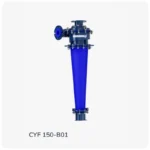
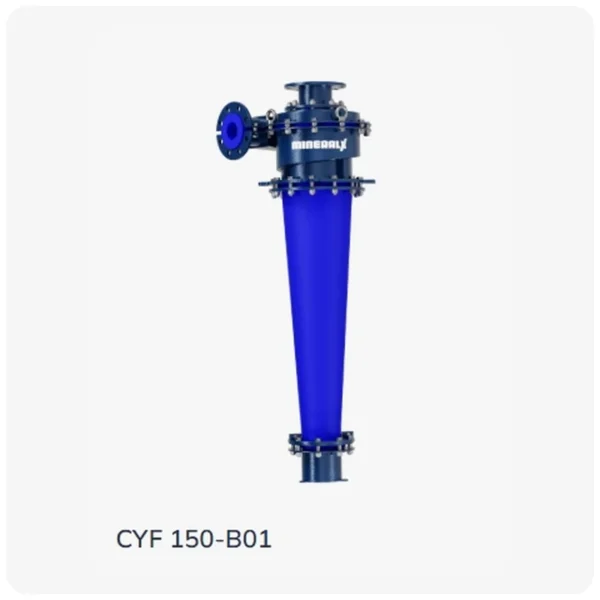
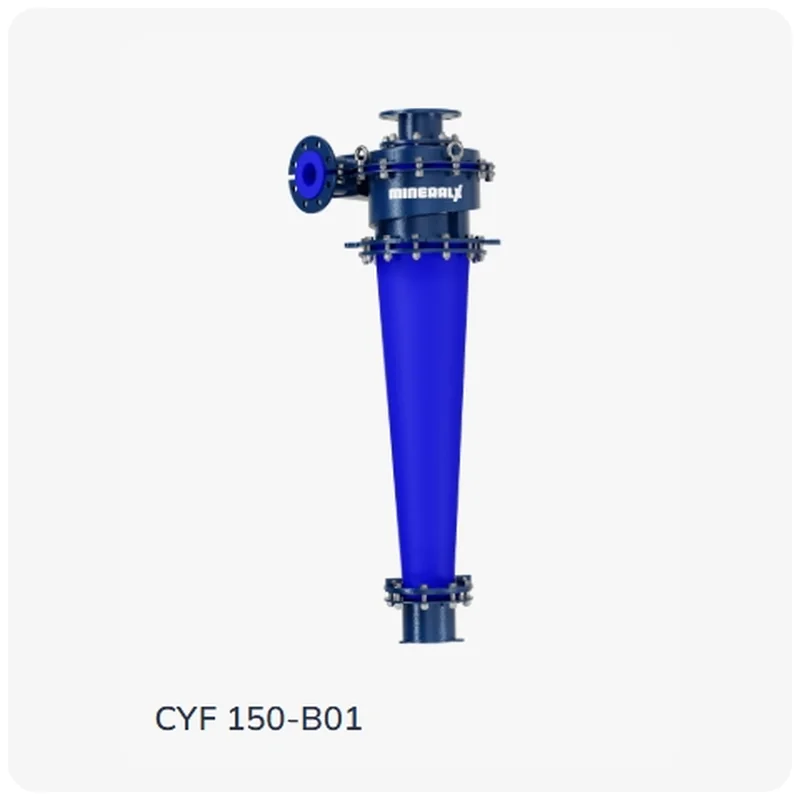
| CYF 150 | 13–33 m³/h | Medium-duty classification and desliming |
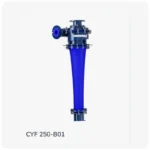
| CYF 250 | 22–114 m³/h | Larger mineral plants and fines recovery |
| CYF 350 | 114–273 m³/h | High-throughput fine classification |
Note: These feed rates are the ranges shown on the dedicated product page. Confirm the applicable flow rate and operating pressure for your particular application with the manufacturer.
Applications of Fine Classification Hydrocyclones
Fine classification hydrocyclones can be used in mineral and industrial processing operations, including:
- Grinding circuit classification
- Desliming in mineral beneficiation
- Ultra-fine particle recovery
- Silica processing
- Kaolin processing
- Fine sand classification
- Dense slurry separation in chemical and industrial systems
Furthermore, a suitable hydrocyclone configuration depends on the required separation cut point, solids concentration, feed pressure and particle-size distribution. Buyers should provide these details when requesting a technical recommendation.
Benefits of Selecting the Right Hydrocyclone
Improved classification control: Appropriate equipment selection can help achieve the desired particle-size separation.
Fines recovery: A suitably selected system can support recovery of fine particles under the intended operating conditions.
Process integration: Hydrocyclones can be incorporated into grinding, desliming and fine-recovery circuits when designed for the relevant process.
Wear management: Suitable liner materials can help address abrasive operating conditions, subject to material compatibility and actual wear characteristics.
Flexible configuration: Discussing cone geometry, vortex finder dimensions and outlet sizing helps align the equipment with process requirements.
These benefits depend on correct selection, installation and operation; specific performance results are not guaranteed.
How to Select a Fine Classification Hydrocyclone
Before sending an enquiry, prepare the following information:
- Required feed rate in m³/h.
- Available feed pressure.
- Feed material and slurry composition.
- Particle-size distribution and required cut size.
- Solids concentration and abrasiveness.
- Desired classification, desliming or fines-recovery outcome.
- Installation layout and available space.
Additionally, ask the manufacturer to confirm the recommended model, expected separation performance, liner material, maintenance requirements and compatibility with your existing process circuit.
Manufacturer Information
Company: Mineralx Flowtech Pvt Ltd
Address: S.F. No. 435/1A, Palathurai Road, Mettangadu, Madukkarai, Coimbatore – 641105, Tamil Nadu, India.
Email: info@mineralx.in
Official product page: https://mineralx.in/fine-classification
Areas Served
Mineralx Flowtech is based in Coimbatore, Tamil Nadu, India. Buyers from other cities and states can contact the manufacturer to confirm delivery coverage, technical support and availability for their project.
Send an Enquiry Through TradersInd
Looking for fine classification hydrocyclones for a mineral processing application? Send an enquiry through TradersInd with your required feed rate, operating pressure, slurry characteristics and separation objectives.
Mention your preferred CYF model if you have identified one. The supplier can review your requirements and confirm technical suitability, available configurations, pricing, lead time and delivery terms. Compare the confirmed specifications before making a purchasing decision.
Explore More Industrial Products on TradersInd
Explore industrial products and equipment on TradersInd to discover products listed by suppliers across India. You can also review the related Coarse Classification Hydrocyclones and Solid–Liquid Classification range from Mineralx Flowtech.
For detailed product information and configuration options, visit the official Fine Classification Hydrocyclones page.
Frequently Asked Questions
1. What are fine classification hydrocyclones used for?
Fine classification hydrocyclones separate particles from slurry streams according to their classification characteristics. They are used in grinding circuits, desliming, mineral beneficiation and fine-particle recovery.
2. Which CYF models does Mineralx Flowtech list?
The dedicated product page lists CYF 25, CYF 50, CYF 80, CYF 100, CYF 150, CYF 250 and CYF 350.
3. What is the feed-rate range of the CYF 25?
The dedicated product page lists a feed range of 0.7–1.1 m³/h for CYF 25. Confirm the appropriate operating point for your application with the manufacturer.
4. Which model is listed for high-throughput fine classification?
CYF 350 is described for high-throughput fine classification, with a published feed range of 114–273 m³/h.
5. Are wear-resistant liners available?
The manufacturer lists ceramic and high-chrome liner options. Confirm material availability and compatibility with your slurry and operating conditions.
6. Can these hydrocyclones be customized?
The manufacturer describes configuration options that include cone angle, vortex finder diameter, material composition and underflow and overflow outlet sizing.
7. What information is needed to choose a model?
Provide the feed rate, operating pressure, particle-size distribution, slurry composition, solids concentration and required separation outcome.
8. How can I request a quotation?
Send an enquiry through TradersInd with your process details, preferred model, quantity and delivery location. Confirm pricing, availability, technical specifications and supply terms directly with the manufacturer.
Product Information Disclaimer
The product descriptions and model feed rates in this listing are based on Mineralx Flowtech’s dedicated Fine Classification Hydrocyclones page. Actual performance depends on the process conditions and equipment configuration. Buyers should verify technical specifications, operating pressure, liner material, availability, pricing and delivery terms with the manufacturer before ordering.
Reviews
There are no reviews yet.